

Зміст
Emergency departments and primary care clinics have long struggled with a basic logistical problem: screening for mental health conditions thoroughly takes time most facilities don’t have. Comprehensive psychiatric screening tools traditionally required stacking multiple separate questionnaires together, each covering a narrow slice of the picture, which meant a full workup could easily run past 45 minutes even before treatment planning began.
A newer approach is changing that math. The 13-item Mental Wellness Tool, known as mwTool-13, was designed to condense that same breadth of screening into a single two-step questionnaire that most patients complete in well under ten minutes.
The Problem With Traditional Multi-Tool Screening
Most existing screeners were built to detect one condition at a time — depression, anxiety, psychosis risk, substance use — each requiring its own separate instrument. Stacking several of these together works clinically, but it’s slow, and in a busy emergency department or short primary care visit, that time cost often means screening gets skipped altogether for anyone who isn’t visibly in crisis.
Why Speed Actually Matters Clinically
Skipped or abbreviated screening doesn’t just delay diagnosis — it means conditions that don’t present with obvious symptoms, including early-stage substance use disorders or emerging psychosis, are more likely to go unidentified until they escalate into a more acute presentation.
How mwTool-13 Streamlines the Process
The tool is built around a two-step structure that keeps the initial screen fast without sacrificing depth for patients who need it:
- three opening questions identify whether any mental health concern is present at all, with sensitivity reported around 95 percent in validation research;
- patients who screen positive on that first step answer ten additional items;
- those ten items sort results into four categories — common mental disorders, severe mental disorders, substance use disorders, and suicide risk;
- the full assessment, start to finish, typically takes two to ten minutes rather than the 45-plus minutes required by stacked single-condition tools.
Validation research published in Psychiatric Services tested the tool against routine psychiatric assessment in a hospital emergency department, and the instrument has also been validated internationally, including in South Africa and Spain.
Built From Established Instruments
Rather than starting from scratch, the tool’s items draw on already-validated screeners — including the Patient Health Questionnaire and the Generalized Anxiety Disorder assessment — which gives it a foundation clinicians already trust, just reorganized into a faster format.
Why Outsourced Providers Often Lead on New Tools
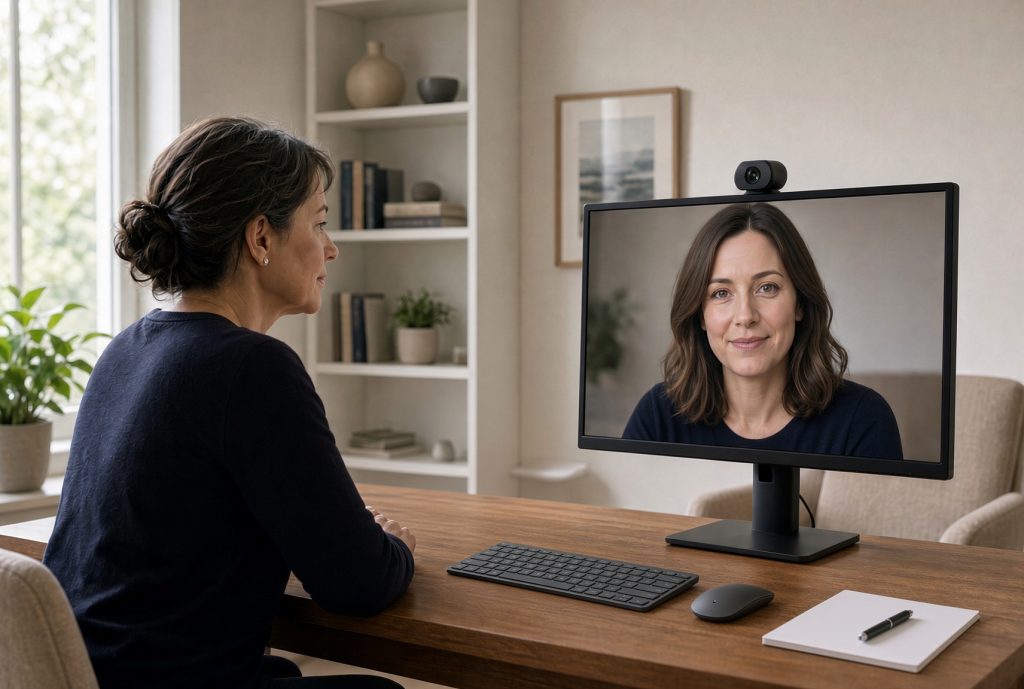
Adopting a new screening instrument isn’t just a matter of printing a new form — it requires training staff on scoring, interpretation, and how results should shape the next clinical step. In-house teams juggling full caseloads don’t always have bandwidth to retool workflows every time new research changes, even when the evidence is strong. Providers working through a broader psychiatry staffing network tend to move faster on this front, since staying current with tools like mwTool-13 is part of what keeps them competitive across the multiple facilities they serve rather than a one-off internal project.
FasPsych is one such example — one of the largest telepsychiatry staffing companies in the country, placing psychiatric providers at clinics, schools, jails, hospitals, and other medical locations on either an appointment or on-demand basis. Coverage extends across all 50 states, connecting patients and psychiatrists through two-way video visits rather than requiring a permanent on-site hire at every location.
Consistency Across Multiple Facility Types
A provider network that serves clinics, schools, jails, and hospitals simultaneously has a practical incentive to standardize on screening tools that work well across very different settings and patient populations, rather than maintaining a different protocol for each site.
Access Across Settings: From EDs to Schools and Jails
Facilities evaluating telepsychiatry companies for coverage are often less focused on any single screening tool and more focused on whether the provider network as a whole keeps pace with current clinical research. A tool like mwTool-13 is a useful example of what that looks like in practice — evidence-based, fast enough for real clinical workflows, and validated across diverse settings rather than a single specialty population.
The broader lesson isn’t specific to this one instrument. As screening research continues to evolve, the facilities best positioned to benefit are the ones whose provider relationships make adopting that research a routine update rather than a disruptive overhaul.

